

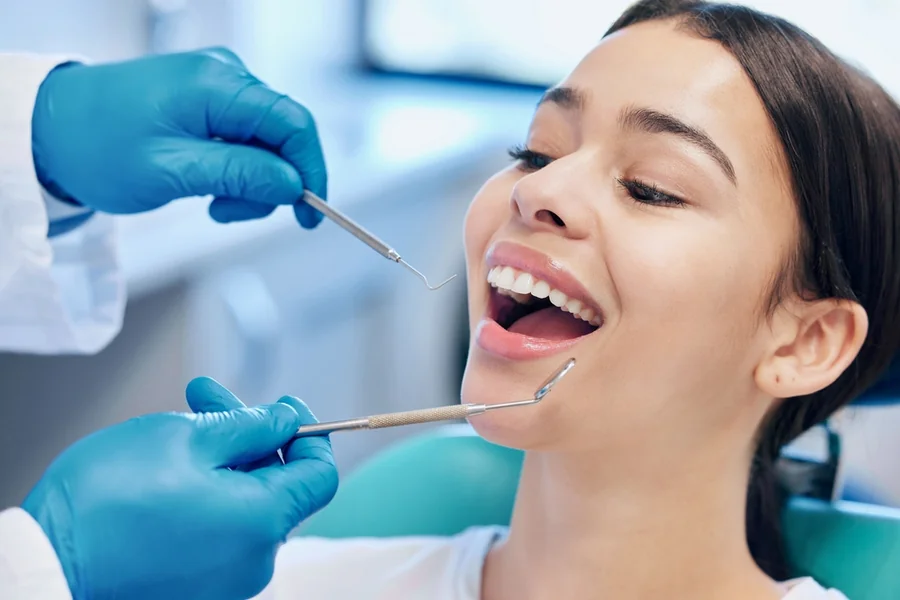
Finding the right time to start orthodontic evaluations can make a difference in your child’s dental health. As a parent, you want to ensure that your child’s smile develops properly. Visiting a dentist for kids in West Covina early on can detect potential issues. Children should have an orthodontic evaluation by age seven. At this age, the teeth and jaw are still growing. This makes it easier to identify problems and plan effective treatments. Addressing issues early can lead to shorter treatment times and better results. Early evaluations also help avoid more serious dental problems in the future. Consulting a specialized dentist equips you with the information you need. Your child’s comfort and health are top priorities. You can feel confident knowing that you’re taking the right steps. Remember, the earlier you start focusing on dental health, the better the outcomes for your child’s bright, healthy smile.
Why Age Seven?
Age seven is when the first molars typically appear. This occurrence marks the development of the backbite, allowing for proper evaluation of side-to-side and front-to-back tooth relationships. Issues such as crossbites and crowding can be more easily identified. According to the American Dental Association, early evaluations can spot growth problems, making them easier to treat.
Benefits of Early Evaluation
Early evaluation offers numerous benefits including:
- Preventing serious dental issues later.
- Reducing the need for extensive treatments.
- Improving facial symmetry and aesthetics.
When you identify problems early, you allow for timely intervention. This often means using less invasive methods. It is not just about aesthetics. Proper alignment of teeth can improve chewing, speaking, and overall oral health.
Comparison of Treatment Times
Early orthodontic evaluations can lead to shorter treatment times. The table below compares the expected treatment duration when detected early versus late:
| Evaluation Time | Average Treatment Duration |
|---|---|
| Early (by age 7) | 12-18 months |
| Late (after age 12) | 24-36 months |
As shown, addressing issues early can significantly reduce the time needed for treatment. This not only saves time but also may reduce overall costs and discomfort.
What to Expect During the Evaluation
The initial orthodontic evaluation involves:
- Reviewing dental history.
- Conducting a thorough dental exam.
- Taking X-rays to assess tooth and jaw positioning.
These steps help in forming a comprehensive treatment plan tailored to your child’s needs. Your dentist will discuss the findings, answering all your questions with empathy and clarity.
Role of Parents
As a parent, your role is crucial in this process. Ensure dental appointments happen regularly. Encourage good oral hygiene habits at home. Brush twice a day and floss daily. These habits are foundational for maintaining dental health.
Common Orthodontic Issues
Children can face various orthodontic issues, which include:
- Overbites and underbites.
- Crossbites.
- Excessive spacing or crowding.
Identifying these early through orthodontic evaluations ensures they do not lead to more significant problems later.
Conclusion
Getting an orthodontic evaluation by age seven is a wise step towards securing your child’s dental health. Early detection can simplify treatment and improve outcomes. Start early and stay proactive, ensuring your child enjoys a healthy, happy smile. You provide a foundation for lifelong oral health by taking these steps. Always consult professionals who specialize in pediatric dental care. They guide you with knowledge and compassion, making this journey smoother for you and your child.
