

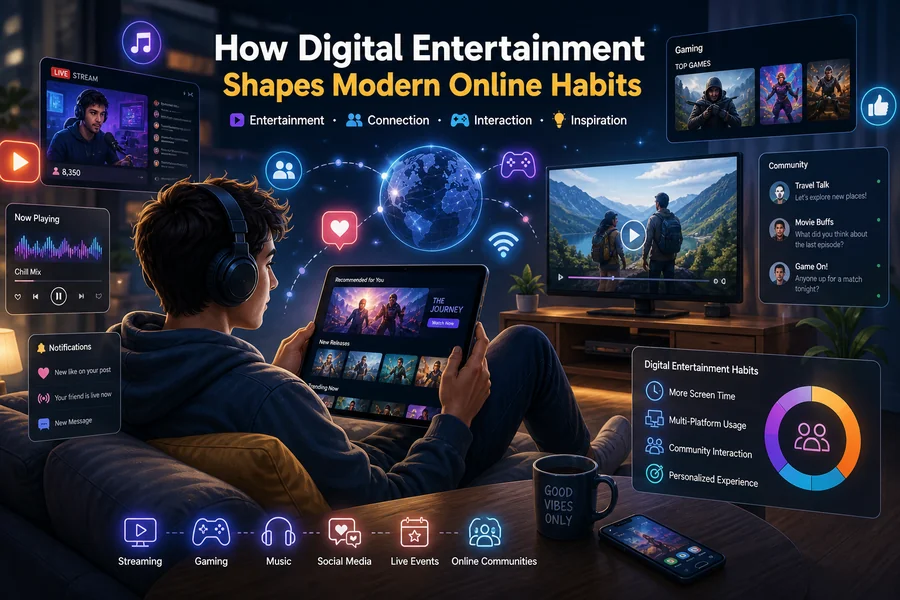
Digital entertainment has become one of the strongest forces shaping how people spend their time online. Over the last decade, internet users have moved far beyond simple browsing habits. Today, people interact with content through streaming platforms, interactive media, online communities, mobile applications, live events, gaming ecosystems, and creator-driven platforms that constantly evolve with audience behavior.
In 2026, digital entertainment is no longer considered a secondary activity. For millions of users worldwide, it has become part of daily lifestyle routines. People now start their mornings by checking digital content, spend their lunch breaks watching short-form videos, and end their evenings participating in online communities or enjoying interactive entertainment experiences.
This behavioral shift has created an entirely new online culture where entertainment, communication, education, and discovery often exist within the same digital environment.
One of the most interesting parts of this evolution is how users discover new platforms. Many internet users no longer rely solely on search engines or social media recommendations. Instead, they often explore specialized communities, niche discussion spaces, and independent entertainment platforms that match their interests. Some users engage with digital communities through entertainment-focused spaces such as judi slot, where interactive experiences, user engagement, and platform-based communities continue attracting highly active audiences across different regions.
This reflects a broader change in online behavior. People no longer consume content passively. They actively search for environments that offer interaction, personalization, and long-term engagement.
Why Digital Entertainment Has Become Part of Daily Online Behavior
Modern users are surrounded by content every day. However, not all content creates lasting engagement. Digital entertainment platforms succeed because they offer something more than information.
They offer participation.
Streaming platforms allow users to watch live creators while interacting in real time. Gaming communities allow players to collaborate and compete with others worldwide. Short-form media platforms provide instant entertainment while adapting to personal viewing behavior.
These experiences create stronger emotional engagement compared to traditional content formats.
Instead of simply consuming media, users now become part of the experience.
This participation creates loyalty.
And loyalty creates stronger online habits.
That is why entertainment platforms continue growing faster than many traditional digital industries.
How Interactive Media Creates Stronger User Retention
Interactive content continues outperforming static content across almost every digital category.
When users can interact, respond, compete, or personalize their experience, engagement naturally increases.
Interactive entertainment often includes:
- Live streaming sessions
- Multiplayer gaming communities
- Community-based events
- Real-time audience interaction
- Personalized content recommendations
- User-generated experiences
These systems create a stronger sense of involvement.
The more involved users feel, the longer they stay.
The longer they stay, the stronger their platform loyalty becomes.
This is one of the biggest reasons why modern digital platforms focus heavily on engagement-driven design.
Retention no longer depends only on content quality.
It depends on user experience.
Why Global Communities Continue Driving Online Entertainment Growth
One major reason digital entertainment continues expanding is global accessibility.
Users from different countries can now connect instantly through shared interests. Language barriers continue shrinking thanks to real-time translation, visual communication, and global platform ecosystems.
A user in Asia can watch a creator in Europe.
A player in North America can join teammates in Southeast Asia.
A community discussion can include members from multiple continents.
This global access creates stronger digital communities.
Across international entertainment ecosystems, many users also participate in specialized online platforms such as slot server luar negeri, where cross-border interaction, multilingual audiences, and international engagement continue shaping modern digital participation.
This reflects how online behavior is becoming increasingly borderless.
People no longer think only locally.
They think globally.
And digital entertainment continues supporting that shift.
How Content Creators Influence Modern Entertainment Culture
Creators now play a major role in shaping audience behavior.
Many users discover new platforms, games, media channels, and online communities because of creators they trust.
Creators influence:
- Platform discovery
- Content trends
- Audience behavior
- Purchase decisions
- Community culture
- Long-term platform loyalty
This influence continues growing because audiences often trust human recommendations more than traditional advertising.
When creators genuinely enjoy a platform, their communities often follow.
This creates powerful network effects that help entertainment ecosystems grow rapidly.
Why Personalization Has Become the Future of Digital Platforms
One of the biggest advantages of modern digital entertainment is personalization.
Platforms now study user behavior to deliver more relevant experiences.
They analyze:
- Watch history
- Interaction patterns
- Session duration
- Community activity
- Content preferences
This data helps platforms understand what users actually enjoy.
As personalization improves, engagement naturally increases.
Users spend more time on platforms that understand their preferences.
And platforms that create personalized experiences often build stronger long-term communities.
Final Thoughts on How Digital Entertainment Shapes Online Behavior
Digital entertainment continues changing how people interact with the internet. It influences how users discover communities, spend free time, communicate with others, and build digital identities.
From streaming platforms and creator ecosystems to interactive communities and global entertainment spaces, modern audiences continue searching for experiences that feel personal, engaging, and meaningful.
As technology continues evolving, digital entertainment will likely become even more integrated into daily life.
And the platforms that understand human behavior, community engagement, and interactive experiences will continue shaping the future of online culture.
